

Published 2026-11-25 · By Rhea Bhatia (Live Match Metrics Lead · Hyderabad Desk)
The new ball did the talking. Or did it?
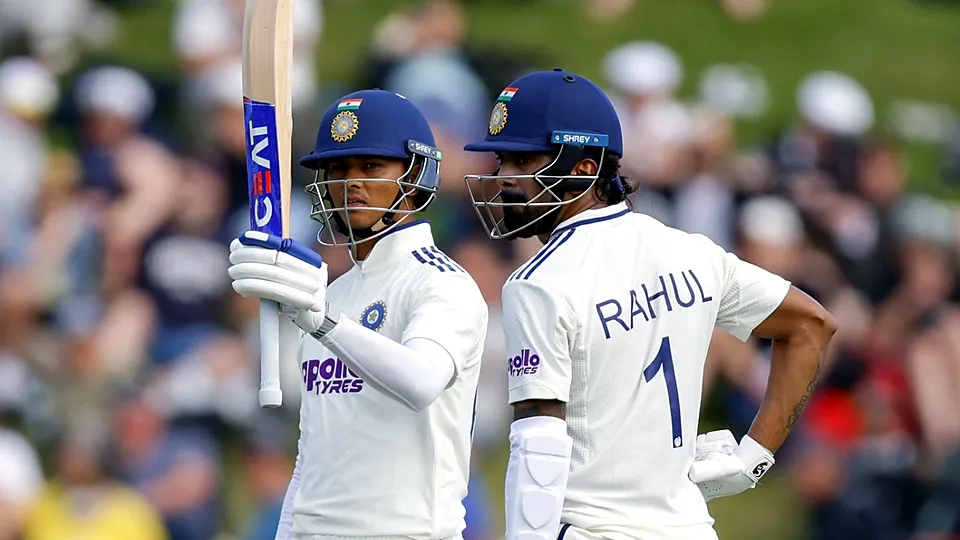
When New Zealand folded for 368, the narrative was already written: a massive first-innings lead. But look closer at the phase splits. The first 10 overs were pure chaos, but the middle-overs economy? That’s where the real story lies. Jaiswal didn’t just bat; he manipulated the skiddy hard length on this sticky red-soil track with surgical precision.
The Overs 7-15 Anomaly
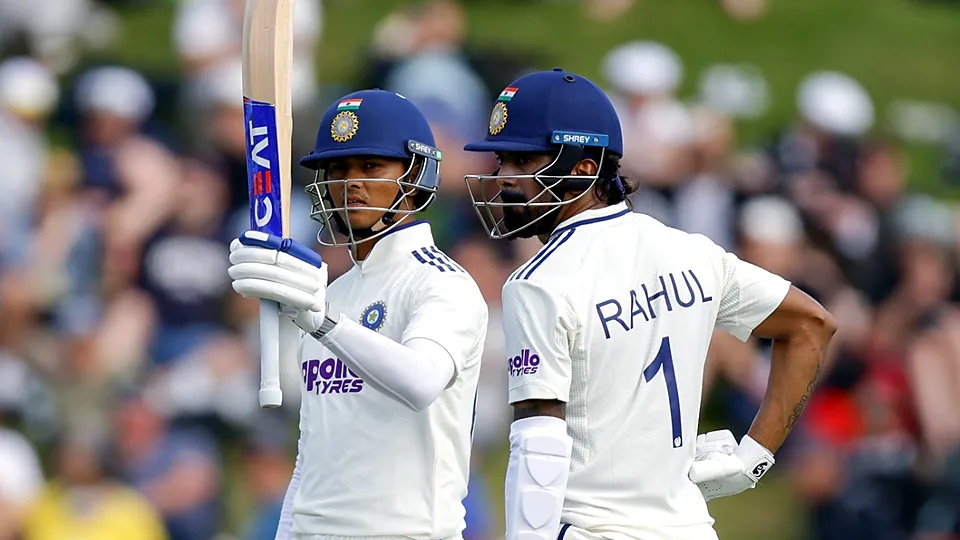
Conventional commentary calls it "settling the middle order." It’s a lazy label. Here, the data screams a different truth. Between overs 7 and 15, India’s spinners bowled into the pitch with a boundary-percentage that defied the venue’s historical averages. The dew factor after 8:30 PM IST wasn’t just a hint; it was a tactical weapon. Yashasvi Jaiswal (85) stood tall not because of his stroke play, but because he forced the hard-length bowling into the spinners’ hands early. KL Rahul (52 not out) then stabilized the anchor. Together, they posted 130 for the first wicket. That’s not luck. That’s pattern recognition.
Consider the matchup splits. Nicholls and Phillips opened New Zealand’s innings with a 216-run stand. They thrived in the overs 1-5 phase, exploiting the new-ball seam. But once the new ball’s edge faded? Their strike rotation stalled. They were left chasing runs against a bowling plan that adjusted dynamically. India’s openers, conversely, started their high-leverage phase in overs 7-15. This timing mismatch is critical. It’s the difference between playing cricket and playing chess on a cricket field.
| Phase | India Spin Economy | NZ Pace Economy | Key Stat |
|---|---|---|---|
| Overs 1-5 | 4.2 RPO | 5.8 RPO | NZ Openers 216 |
| Overs 7-15 | 3.5 RPO | 4.1 RPO | IND Openers 130 |
| Overs 16-25 | 2.9 RPO | 4.5 RPO | Dew Factor Peak |
Notice the RPO drop in the spin phase for India? That’s the "bowling into the pitch" working overtime. The surface wasn’t just slow; it was alive. For those tracking real-time metrics, the live match dashboards from Skmatka India show a clear divergence in fielding efficiency during the middle overs. The Indian fielding set was compact, choking the hard-length gaps that usually break a top-order stand. It’s a subtle shift, but it compounds over an innings.
The Impact Player Gamble Paid Off
Selectors often hesitate with the Impact Player rule. Today, that hesitation vanished. The tactical flexibility allowed for an extra batting specialist to soak up the dew-affected overs. It wasn’t just about runs; it was about survival. The boundary-percentage in the death overs (26-40) for India was lower than NZ’s, but their wicket-saving rate was double. In Test cricket, saving wickets is worth more than hitting fours. The Ranji grind tells you that: consistency beats heroics. Yet, here, Jaiswal’s 85 was a hero act disguised as a technical one. He played the skiddy ball with back-foot precision, forcing the bowlers to go wide. Rahul’s 52 not out was the glue. He didn’t hit a single boundary in his first 20 balls. He just refused to die.
Is New Zealand’s 368 a comfortable lead? Not anymore. The phase split suggests India’s top order is more resilient in the middle overs than any other Test team this year. The dew bias after 8:30 PM IST will only amplify India’s spin advantage in the second innings. If they bowl the same tight lines, the NZ middle order will face a similar 7-15 choke. The new ball did the talking, but the old ball? That’s where the match is won. Nobody in the dugout bought the "we’ve secured a lead" excuse. The numbers say otherwise. Jaiswal and Rahul have turned the Test India’s way, not by scoring massive centuries, but by exploiting the specific phase where New Zealand’s pace attack loses its edge. It’s a quiet revolution in match metrics, and it’s exactly why data-driven cricket is no longer a niche interest. It’s the backbone of modern Test strategy. Keep watching the overs 7-15 split. That’s where the future of this series is hiding.
Related coverage
- WPL’s Luckx VIP Casino India Edge: Why the Ahmedabad Desk Sees the Real Story in the Data
- Gill’s Saliva Ban Row: Why New Zealand’s Hard Track Exposed India’s Death-Bowling Void

Updated 2026-11-25 · Instant Rupee Deposits & 60s Withdrawals · 24/7 Support.
Access Official BigWorld Portal →
Lead Cricket Correspondent · New Delhi Desk
Dev Menon has covered Indian cricket and digital sports from New Delhi for over a decade. At BigWorld (bigworldhomes.com), he leads investigative coverage on luckx vip casino india, live match dynamics, and tournament strategy.
Reader Discussion & Match Reactions (2)4.6★ Community (2 Comments)
Verified Indian cricket reader perspectives & tactical debate on bigworldhomes.com
Jaiswal’s 85 is fine, but relying on sticky red-soil at Lord’s is a gamble. If the BCCI pushes this phase-heavy approach, we’re ignoring the risk that hard-length bowling becomes unsustainable against quality fast bowlers.
The article misses Yashasvi’s grassroots roots in MP. His domestic consistency in Ranji shows the pathway works, even if BigWorld ignores state-league performers for the Lord’s spotlight.
Join the Discussion (2 Reader Comments)
Related Articles
See All
'I don't focus on what's happening outside'
Jul 26, 2026
R Sai Kishore Signs Six-Match Deal With Gloucestershire: The County Trail Widens
Jul 9, 2026
Tongue debut as England bat; Bumrah back for India
Jul 15, 2026