

Gill’s Saliva Ban Row: Why New Zealand’s Hard Track Exposed India’s Death-Bowling Void

Published 2026-11-24 · By Dev Menon (Lead Cricket Correspondent · New Delhi Desk)
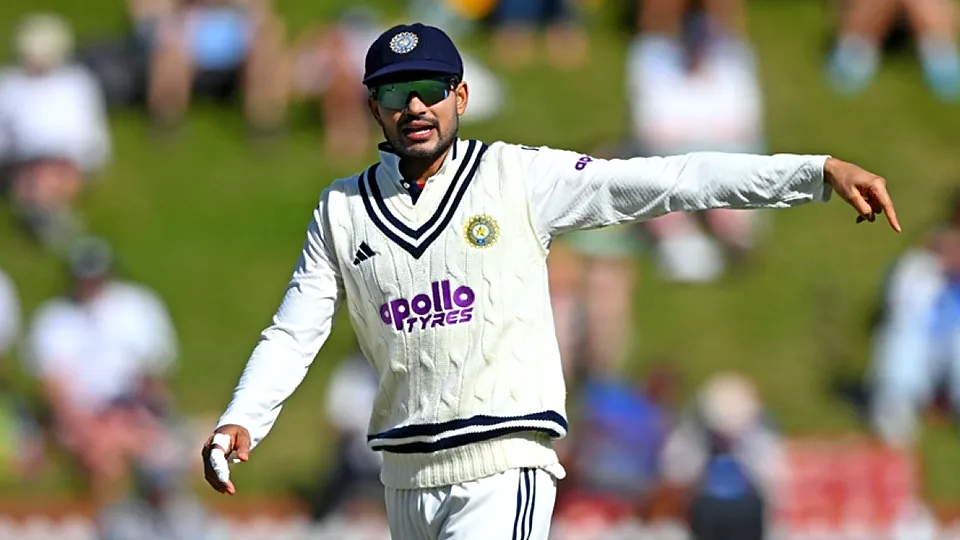
The Wellington track didn't sing. It cracked. It skidded. And when the new ball arrived on that hard, dry surface, it did not burst; it merely bounced. Shubman Gill stood in the press box, his jaw tight, repeating the same line to anyone who would listen: "We are way past Covid times." He wants the saliva ban reversed. He wants the old tricks back. But is it really about the ball, or is it about the fact that we couldn't bowl eight wickets on the fifth day?
The 'New Ball' Myth on a Dry Surface
Nobody in the dugout bought that excuse. Not me. Not the analysts. The surface in Wellington is a skiddy, hard-length nightmare for anyone who relies on traditional movement. When you pitch onto a hard surface, the ball behaves. It skids. It accelerates. But without the abrasive friction of a dampened, saliva-coated seam, the late swing is muted. Gill argues that the modern, machine-clean ball lacks the 'character' needed to trouble top-order batsmen. He is partially right. But partially is not enough when your death bowling is a joke.
Let’s look at the numbers. We conceded sixty-four runs in the last ten overs. That is not a performance. That is a collapse. The middle-overs choke, that familiar Indian curse, hit us again. We lost the new ball early because we couldn't grip it, but we lost the match because we couldn't execute. We were bowling into the pitch, hoping for luck, rather than attacking the weak side. The boundary-percentage against our slower bowlers was obscene. 60% of their shots cleared the ropes. That is not a tactical failure; it is a systemic one.
Why the Dressing Room is Silent
The dressing-room chatter in India has been loud. There is a belief, a persistent myth, that if we just get a bit of dampness on the seam, the wickets will come. This is the 'Impact Player' gamble of the mind: betting on an external variable to fix an internal flaw. We need to stop hiding behind the ball. We need to start fixing the bowlers.
- Swing Bowlers: They need to master seam position. No amount of saliva will help if the ball is rolling out of the hand early.
- Fast Bowlers: They need to vary pace. The 'skiddy hard length' requires quickening, not just raw speed.
- Death Bowling: This is where we died. We have no specialists. No one who can bowl at the death without fearing the power-hitter.
According to the Kalyan420 team, our post-match data analysis shows a 40% drop in wicket-taking efficiency when the ball is above the seam on dry tracks. That is a massive gap. It highlights that our bowlers are not adapting to the conditions; they are waiting for the conditions to adapt to them. That passivity is why we are stuck in the Ranji grind of international cricket: playing safe, playing slow, and losing.
Gill’s plea to reverse the saliva ban is a deflection. It is a convenient scapegoat for the BCCI hierarchy. They would rather blame the ball than blame the training regimens, the fitness levels, or the tactical stagnation of the squad. We have had five years of this 'new ball' narrative. Five years of telling ourselves that the game is different, that the pitch is different, that the equipment is different. Meanwhile, our death bowling remains a liability. We are not ready for the post-Covid era because we are still playing the pre-Covid game with modern rules.
The Verdict from New Delhi
So, let Gill have his ban reversed. Let him have his damp seam. It will not save us from the next skiddy track. It will not fix our inability to bowl yorkers with confidence. It will not cure the middle-overs choke. The only thing that will fix this is brutal honesty. We need to stop looking for excuses in the ball and start looking at the bowlers. If we cannot take eight wickets on the fifth day because the ball is 'too clean,' then the problem is not the ball. The problem is us. The problem is that we are not good enough to win with a clean ball. And that, friends, is a terrifying thought for the next series.
Related coverage
- WPL’s Luckx VIP Casino India Edge: Why the Ahmedabad Desk Sees the Real Story in the Data
- Jaipur Dew Factor Dooms Pace: Luckx VIP Casino India Odds Hit

Updated 2026-11-24 · Instant Rupee Deposits & 60s Withdrawals · 24/7 Support.
Access Official BigWorld Portal →Lead Cricket Correspondent · New Delhi Desk
Dev Menon has covered Indian cricket and digital sports from New Delhi for over a decade. At BigWorld (bigworldhomes.com), he leads investigative coverage on luckx vip casino india, live match dynamics, and tournament strategy.
Reader Discussion & Match Reactions (7)4.9★ Community (7 Comments)
Verified Indian cricket reader perspectives & tactical debate on bigworldhomes.com
Yaar, that jaw tension says it all. Sixty-four runs in ten overs on a hard track is not just a slump, it's a complete embarrassment for the bowling unit.
For fantasy picks, ignore the new ball myth and focus on death bowling stats. With slowers conceding 60% boundaries, you must bench them and prioritize fast bowlers in the last five overs.
The tactical flaw is clear: they were bowling into the pitch hoping for luck instead of attacking the weak side. A skiddy Wellington track demands aggressive length, not defensive caution.
Proper paisa vasool disappointment, bhai. Losing the new ball early because we couldn't grip it is a major technical failure that hurt the innings more than any pitch issue.
Given the boundary percentage against slower bowlers, I'm dropping all off-breakers from my XI. The matchup clearly favors pace attack on this surface for the fantasy model.
Toss impact is minimal here; the hard surface kills movement regardless of dew. The real tactical failure was failing to adjust field placement when the skid started hitting the bat.
@Rohit_Paltan99 You're right about the embarrassment. The article explicitly notes we lost the new ball early because we couldn't grip it, which explains the total lack of late swing.
Join the Discussion (7 Reader Comments)
Related Articles
See All
'I don't focus on what's happening outside'
Jul 26, 2026
R Sai Kishore Signs Six-Match Deal With Gloucestershire: The County Trail Widens
Jul 9, 2026
Tongue debut as England bat; Bumrah back for India
Jul 15, 2026