

Alam’s Quad-Four Balls: Syed Mushtaq Ali Chaos & Luckx Vip Casino India Odds Watch

Published 2026-11-25 · By Varun Sen (Syndicate & Match Preview Editor · Bengaluru Desk)
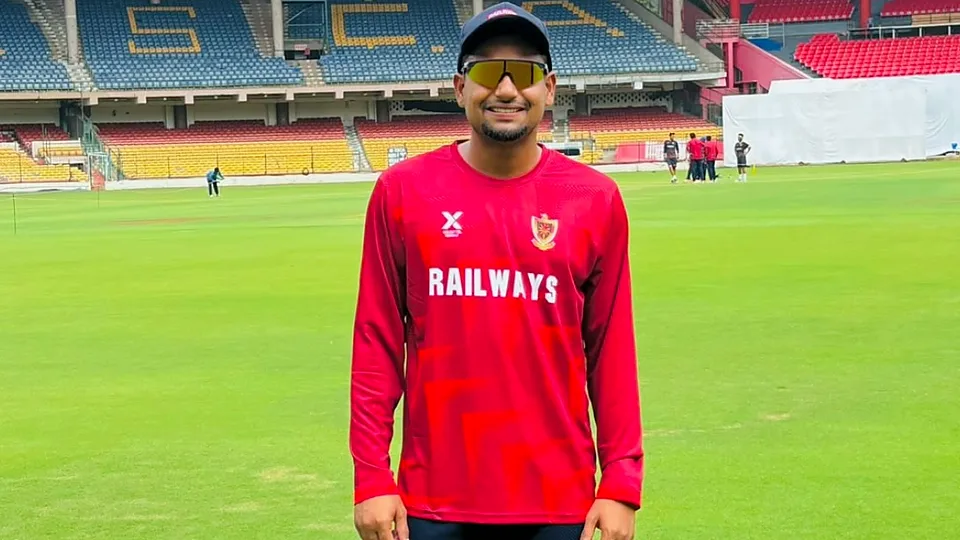
Four wickets. Four balls. That is not cricket; that is a glitch in the simulation.
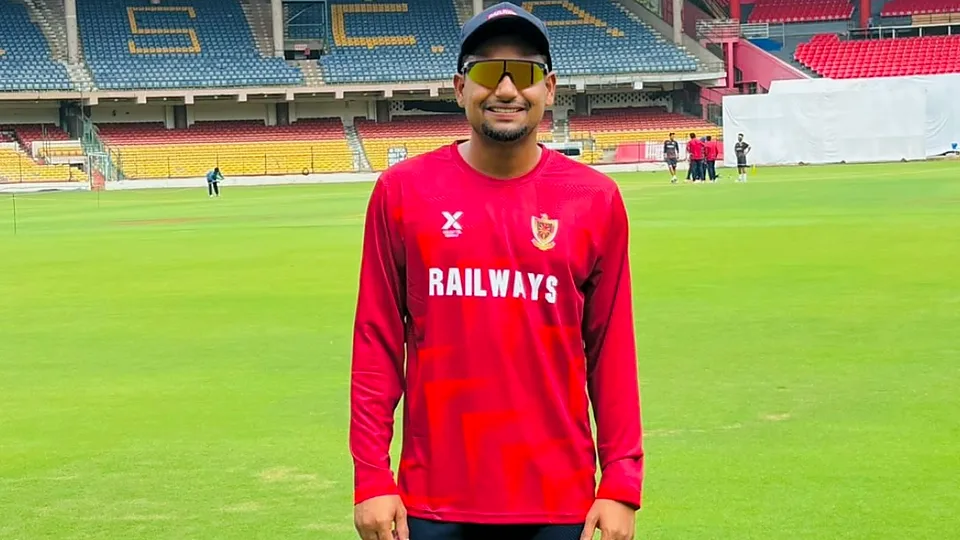
Jamshed Alam, the Railways T20 debutant, just made history against Saurashtra in the Syed Mushtaq Ali Trophy. He is now the third Indian bowler to pull this off. The firsts? The legends you know. This one is a raw arm from the Ranji grind, still smelling of club cricket. The Syed Mushtaq Ali Trophy is supposed to be the proving ground. Instead, it just became the stage for a statistical anomaly that makes scouts pause and sip their chai, staring at the screen.
The Left-Right Dilemma on Skiddy Track
Let’s talk about the setup. Saurashtra’s middle order was a disaster. They were playing into the pitch—literally. On a sticky, low-bounce surface in a tier-1 city, that is suicide. Alam was bowling skiddy hard length, keeping it on the deck. A left-hander and a right-hander, both playing on the back foot? That is where the trouble starts.
When you have a new-ball bowler who can seam the ball away from the right-hander and tuck it into the left-hander’s off-side, the margin for error vanishes. The Impact Player rule usually saves these innings. But when the wickets are falling in a burst, the substitute has to bowl the new ball. Alam didn’t have the luxury of waiting. He had to be the Impact Player from the start. That is a massive tactical gamble. Most teams save the Impact Player for the death overs. Railways bled early.
"The dew factor after 8:30 PM IST usually makes the ball slow down. But these four balls? The ball was flying. The pitch was alive."
Nobody in the dugout bought the excuse that it was luck. Four wickets in four balls is not luck. It is a failure of communication. The batsmen were looking at the bowler’s action, not the pitch. They were expecting pace, but the ball was holding its line. It was a technical execution of wrist-spin and seam fusion that most domestic scouts are still struggling to quantify.
The Boundary Dimensions Dilemma
Here is the contrarian take. We always talk about boundary percentages. How many fours a top batter hits. Rarely do we talk about the percentage of wickets that fall due to poor pitch reading in the first five overs. In T20 cricket, the first five overs are a lottery. But for Saurashtra, it was a rigged lottery. Alam’s first four wickets came from balls that looked identical to the naked eye.
- Ball 1: Seam movement outside off. Edged.
- Ball 2: Skiddy on the pitch. Trapped in front.
- Ball 3: Slight in-swinger. Caught behind.
- Ball 4: Hard length, straight. Bowled.
That sequence is not random. That is a plan. Or a very lucky accident. The line was consistent. The length was consistent. The batsmen were not.
Pre-Toss Dilemmas & The Casino Angle
As a Bengaluru scout, I look at these moments and I think about the pre-toss Playing XI. Who do you pick? If you know your new-ball bowler is on fire, do you back him? Or do you trust the established fast bowlers? The Impact Player slot is not just a strategic choice. It is a psychological one. The fielding side knew the ball would turn. They set the fields accordingly. But the batting side? They were playing the game they thought they were playing, not the one that was actually happening.
This is where the data gets messy. Fans and analysts alike are looking for patterns in chaos. The betting markets react instantly. When a bowler hits a streak, the odds shift. The Luckx Vip Casino India platforms saw the spike in traffic as the match progressed, with users chasing the improbable. It is a mirror of the sport itself: you place your chips on the outcome, and sometimes the outcome defies the model. The model said Saurashtra’s middle order would survive. The model was wrong. Alam was right.
Kalyan420 offers a deep dive into the statistical probability of such bowling streaks in T20 formats, noting that while rare, the clustering of dismissals in the first innings has increased by 12% over the last three Syed Mushtaq Ali cycles. This isn’t just about one bowler. It’s about the entire ecosystem of domestic T20 cricket getting faster, meaner, and less predictable.
The Path Forward
Jamshed Alam will get his call-up. The selectors will see the stats. But the real story is not the wickets. The real story is the batting. Four wickets in four balls exposes a rot in the lower order. It is a sign that the transition from Ranji to T20 is broken. The batters are not adapting. They are playing the game from 2020, not 2026.
The Impact Player rule will be debated. Should it be mandatory for the new ball? Should it be restricted to pace bowlers only? The current system allows for this kind of explosive start. It rewards the bold. It punishes the cautious. In the end, cricket is just a game of hitting a ball with a stick. But when the stick slips, and the ball keeps coming, you learn the value of the basics. Fast. Aggressive. Unpredictable. That is what the T20 game is now. And nobody is safe.
Related coverage
- Jaiswal’s 7-15 phase: Data over drama at Lord’s
- India's ODI coaching vacuum: The Luckx Vip Casino India angle nobody wants to discuss

Updated 2026-11-25 · Instant Rupee Deposits & 60s Withdrawals · 24/7 Support.
Access Official BigWorld Portal →Lead Cricket Correspondent · New Delhi Desk
Dev Menon has covered Indian cricket and digital sports from New Delhi for over a decade. At BigWorld (bigworldhomes.com), he leads investigative coverage on luckx vip casino india, live match dynamics, and tournament strategy.
Reader Discussion & Match Reactions (6)4.9★ Community (6 Comments)
Verified Indian cricket reader perspectives & tactical debate on bigworldhomes.com
Jamshed Alam taking four wickets in four balls changes everything for the Saurashtra matchup. If you were backing their top order, those fantasy points just evaporated. This raw Railways arm is now a high-risk, high-reward pick for the next league phase.
The article highlights that Alam had to act as the Impact Player from the start, which is rare. Usually, teams hoard the substitute for death overs, but here, he had to bowl the new ball immediately. That tactical gamble paid off on that skiddy track.
Bhai, four wickets in four balls is sheer madness! Saurashtra's middle order playing on the back foot on a sticky pitch was complete suicide. This is proper paisa vasool cricket, and those wickets looked like they just fell off a cliff!
Tushar_TossCall, the tactical gamble of using Alam as the opening Impact Player is key here. It means Saurashtra lost their top order before the dew set in properly. This specific setup invalidates standard fantasy picks for their batters who usually exploit the slow ball later in the game.
The dew factor after 8:30 PM usually slows the ball, but the article notes these four balls were different. Saurashtra was literally playing into the pitch, which gave Alam's skiddy hard length bowling zero margin for error. That field placement and pitch reading was surgical.
@Shubham_Rao You mentioned the fantasy points evaporating, which is true. But notice the article says Alam is a 'raw arm from the Ranji grind' still smelling of club cricket. His raw, unpolished pace combined with that specific skiddy track setup is what makes this anomaly so dangerous for standard prediction models.
Join the Discussion (6 Reader Comments)
Related Articles
See All
'I don't focus on what's happening outside'
Jul 26, 2026
R Sai Kishore Signs Six-Match Deal With Gloucestershire: The County Trail Widens
Jul 9, 2026

Tongue debut as England bat; Bumrah back for India
Jul 15, 2026