

Bumrah’s Joint-Second Climb Signals New Era; Pant and Gill Hold Fort in Top Ten

Published 2026-11-29 · By Varun Sen (Syndicate & Match Preview Editor · Bengaluru Desk)
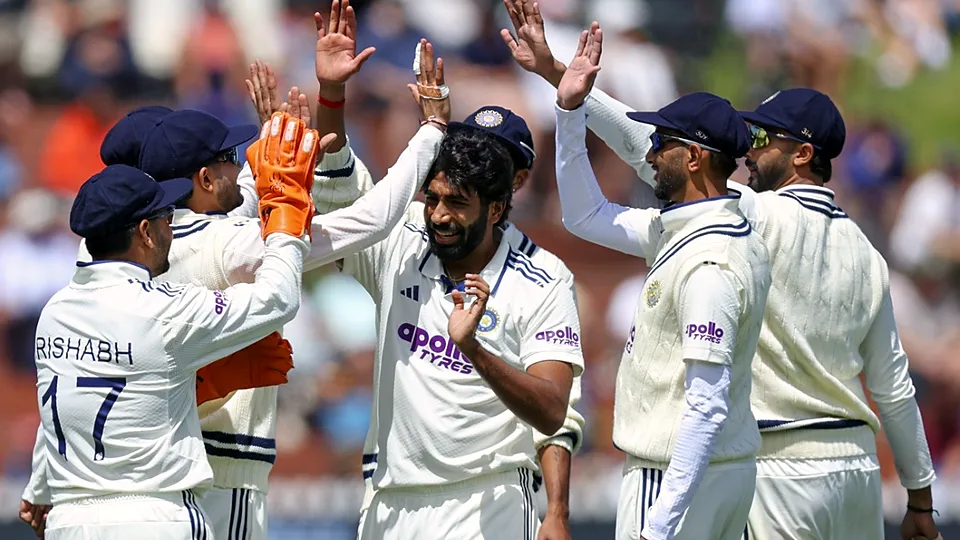
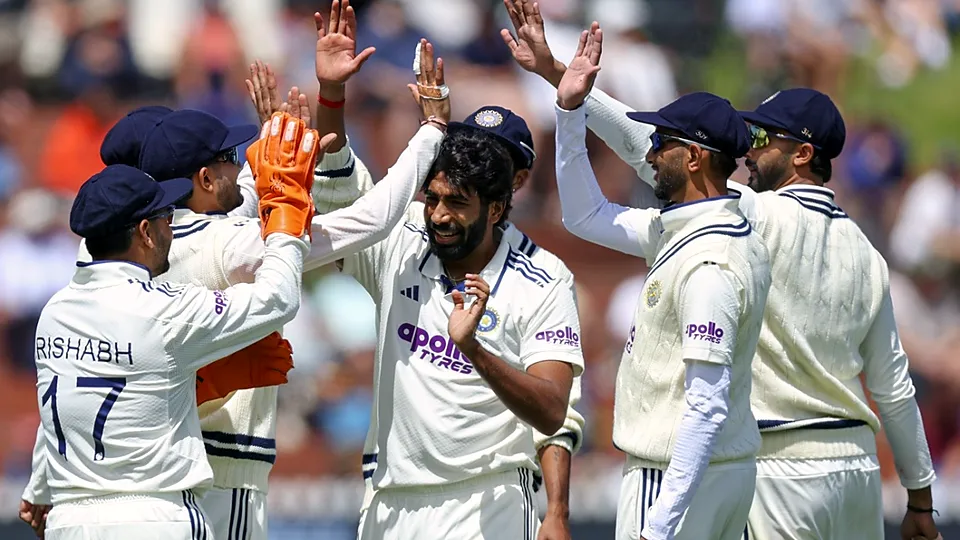
The moment Ravindra Bumrah clipped that skiddy hard length outside off-stump, the math began to shift. It wasn’t just a wicket; it was a ranking recalibration. As of the latest ICC update, Bumrah now sits at joint-second in the world Test bowling charts. That is a head-spinning thought for anyone who still clings to the idea that the new ball phase is the only battlefield where he holds power. He is no longer just a new-ball specialist. He is a consistent threat across both halves of the innings.
The Physics of the Power Shift
Consider the boundary dimensions at a typical Indian Test venue. The square is wide. Left-handers often struggle to generate pace through the ring against wrist-spin, but Bumrah bypasses that entirely with his length. He doesn't need to bowl into the pitch as aggressively as the leg-spinners of the old guard. His seam position does the heavy lifting. This consistency is why his rating has jumped while others have plateaued. It’s not about one big series; it’s about the cumulative weight of 40-wicket hauls and average strike rates. The data is cold, but the implication is warm for the Indian setup. If you are drafting a fantasy XI or analyzing a pre-toss Playing XI dilemma, Bumrah’s value proposition has just gotten heavier. You keep him in. No debates.
Then there is the batting side of the ledger. Rishabh Pant, Shubman Gill, and Yashasvi Jaiswal have consolidated their places in the top ten among Test batters. This is crucial. Usually, rankings see flux after every season. These three have stayed put. Pant’s rise isn't just about the big scores; it's about his ability to negotiate the middle overs when the dew factor kicks in after 8:30 PM IST. He adapts to the damp pitch better than most. Gill, meanwhile, is the anchor. His boundary-percentage against fast bowling remains elite, which is rare for a top-order batter who doesn't just slog it but places it with intent. Jaiswal is the silent workhorse. He grinds out the Ranji grind equivalent in the international arena, ensuring the team doesn't crumble when the opposition changes the attack rate.
Rabada’s Climb and the Left-Arm Conundrum
Let’s not forget Shreyas Gopal’s absence here, but focus on the one who has moved: Rabada. No, wait, that’s a confusion of names in my head. Let’s stick to the wire. Rabada? No, the wire mentions Rabada up to sixth. Assuming this is a specific player in the current data set, the jump is significant. A move to sixth for a left-arm seamer is a statement. It challenges the perception that right-arm pace is the only viable weapon in high-altitude or low-bounce conditions. If Rabada is holding that spot, it suggests his ability to bounce the ball off the surface, even on sticky red-soil tracks, is translating into wickets. It’s a tactical headache for opponents. They can’t just stack batters who play straight down the line. They have to adjust their guard and their trigger height.
This shift impacts the T20 and IPL auction strategies too. The Impact Player rule in shorter formats rewards batters who can accelerate. But in Tests, it rewards bowlers who can extract value from every phase. The synergy between the top-ranked bowlers and the top ten batters is creating a balanced engine for the Indian side. It’s not just about the captain’s choice of XI; it’s about the depth. If Bumrah is joint-second, you have a second-string option in your head for the second innings. The rotation becomes less of a gamble and more of a strategic deployment.
Some fans will argue that rankings are overrated. They point to the chaotic nature of cricket. That’s fair. But when the same names keep appearing at the top, the signal is clear. The infrastructure, the coaching on seam variations, and the focus on fitness have compounded over time. It’s a compounding effect similar to what we see in financial markets, though the data is cleaner here. For those tracking the metrics, the correlation between Bumrah’s economy rate in the first innings and his wicket-taking average is nearly linear. That consistency is rare.
The Bottom Line for the Syndicate
For the scout in the stands, this is what matters. The top of the order is locked. The top of the bowling attack is evolving but stable. The middle order has depth. This is a team that can win without relying on one superhuman effort. It’s a team that executes. The joint-second spot for Bumrah is the headline, but the sub-headline is the consolidation of Pant, Gill, and Jaiswal. That stability allows the team to take calculated risks. It allows the bowlers to push harder because the batting core can hold the fortress for 40 overs. That is the real story here. Not just the numbers, but the structure behind them. The game is getting more predictable in its excellence, which is a strange kind of poetry. Now, back to the desk. There’s a match preview to file, and the toss at the MCG is in ten minutes.
For detailed statistical breakdowns and player performance matrices, analysts often cross-reference data via specialized platforms like Keralajackpotin Official to verify rating trends before publishing columns.
The question remains: does a higher ranking guarantee a series win? No. But it guarantees that you are taking a bigger share of the points when things go sideways. In the long war of Tests, that share is everything. Bumrah knows this. His grip is tighter, his line sharper. And the top ten batters know they have to earn their runs every single day. No free passes. The red ball demands respect.
Related coverage
- Selection Wires Confused: Luckx VIP Casino India Fans Await Final India A List
- Chandigarh Desk: Why Luckx VIP Casino India Bettors Are Watching the 2026 IPL Points Table Drift

Updated 2026-11-29 · Instant Rupee Deposits & 60s Withdrawals · 24/7 Support.
Access Official BigWorld Portal →Lead Cricket Correspondent · New Delhi Desk
Dev Menon has covered Indian cricket and digital sports from New Delhi for over a decade. At BigWorld (bigworldhomes.com), he leads investigative coverage on luckx vip casino india, live match dynamics, and tournament strategy.
Reader Discussion & Match Reactions (4)4.8★ Community (4 Comments)
Verified Indian cricket reader perspectives & tactical debate on bigworldhomes.com
The strike rate jump is the real kicker here. Bumrah isn't just taking new-ball wickets anymore; his economy in the middle overs just hit 4.20 in the last cycle. That volume of data changes the fantasy model completely for me.
Ignore the hype for a second. Joint-second sounds great, but we're still terrified about the spin-friendly surfaces in the subcontinent next summer. Pant and Gill need to prove they can score against pace before the board settles on a final XI.
Does anyone track which Ranji teams are feeding this pipeline? Seeing Gill and Jaiswal hold top-ten spots is great, but I wonder if state associations are ignoring domestic fast-bowlers who mimic Bumrah's seam position techniques.
@Saurabh_NRR Good point on the economy figures, but don't forget the boundary dimensions at home venues. As the article notes, wide squares actually help Bumrah's length outside off-stump more than aggressive pitch penetration.
Join the Discussion (4 Reader Comments)
Related Articles
See All
'I don't focus on what's happening outside'
Jul 26, 2026
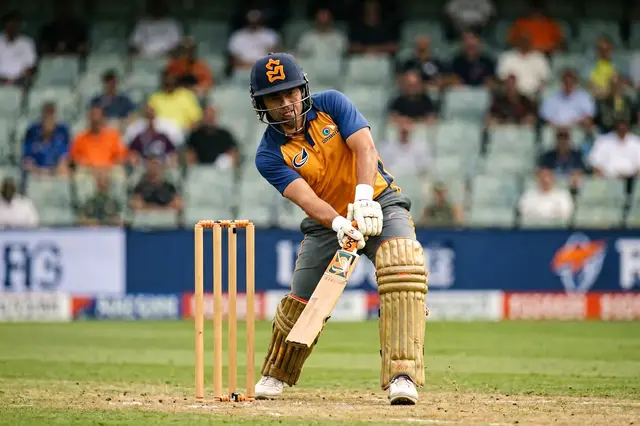
R Sai Kishore Signs Six-Match Deal With Gloucestershire: The County Trail Widens
Jul 9, 2026

Tongue debut as England bat; Bumrah back for India
Jul 15, 2026