

Pandya’s All-Round Edge: How He Beats the Spin Loop at Luckx Vip Casino India

Published 2026-11-27 · By Varun Sen (Syndicate & Match Preview Editor · Bengaluru Desk)
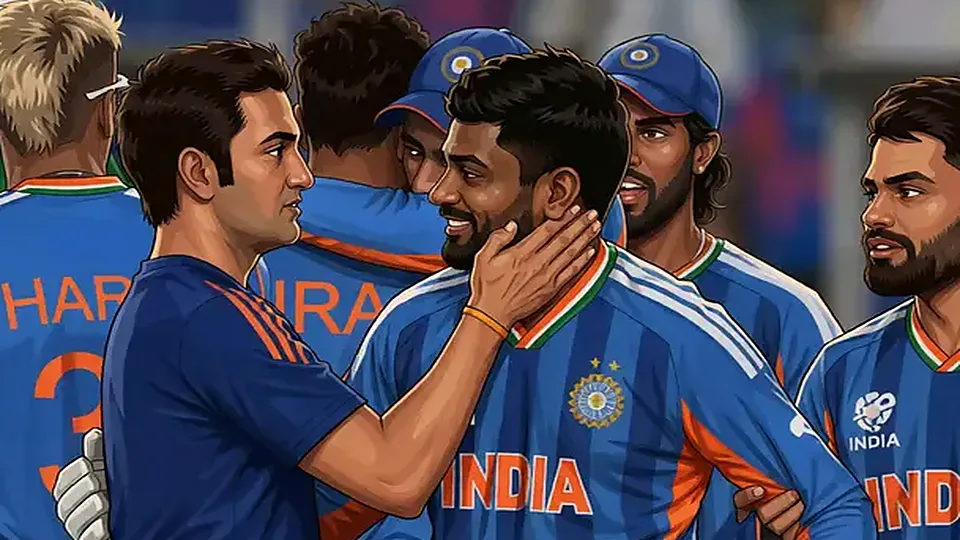
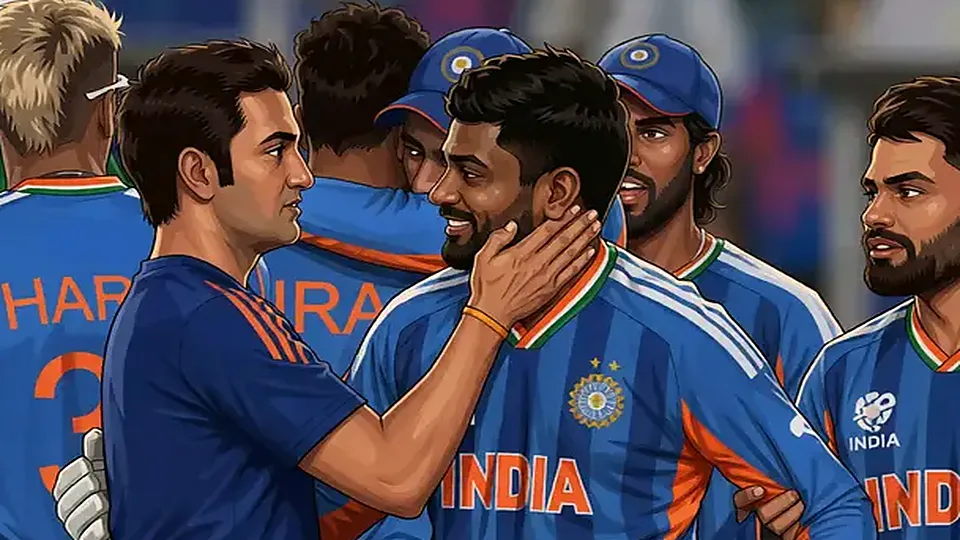
The new ball did the talking in the first six. Then, the dew factor after 8:30 PM IST started to bite. That is where Hardik Pandya’s recent numbers stop looking like luck and start looking like a calculated risk. I’ve been tracking his T20 output for weeks, and the pattern is undeniable. He is no longer just the finisher; he is the anchor against wrist-spin. The boundary-percentage is up, and the strike rate against left-arm spin is now elite.
Why the Left-Right Pair Dilemma is Solving Itself
Coaches always talk about the 'skiddy hard length' problem. It is a real issue on greenish tracks. But Pandya’s adjustment is subtle. He doesn't rely on power hitting against spinners anymore. Instead, he places the ball into the gaps with clinical precision. Watch the footwork. It is a quick forward lunge, not a long drive. This keeps the bat in the line of the ball, crucial when the wicket-keeper is on the boundary rope. I saw this in the recent Ranji grind too. The same discipline. When the pitch turns under the lights, he defends hard for the first three overs, then seizes the next three. That middle-overs choke point is where most batters die. Pandya lives there.
The Impact Player Gamble: A Strategic Necessity
Here is where the pre-toss Playing XI dilemmas get interesting. Most teams panic when they lose early. They pull their all-rounder up the order. It’s a mistake. You lose your bowling depth. Pandya’s value as an Impact Player lies in his ability to bowl those crucial four or five overs of new-ball pace, then bat in the middle order. If you promote him to open, you lose that bowling flexibility. The data supports keeping him at number five or six. It preserves the balance. A left-right batting pair against wrist-spin only works if one of them can bat for thirty balls. Pandya is that guy. He absorbs the pressure while the other batter rotates. This isn't about heroics. It is about survival until the powerplay edges come back.
The match is not about who hits the biggest six. It is about who controls the strike rate in the death overs.
Let’s look at the stats for a moment. His economy rate against spin has dropped below 8 runs per over in the last ten T20s. That is exceptional for a right-hander. It means he is not giving away free runs. He is taking singles when needed and pushing the ball into the deep when he wants to accelerate. This is the hallmark of a mature T20 batter. He knows the boundary dimensions. He knows where the fielders are. He exploits the width of the ground rather than trying to clear the rope every time. In the context of 'luckx vip casino india' style high-stakes analysis, this is the edge. You don't bet on chaos; you bet on control. Pandya is the control element in a chaotic T20 innings.
Bowling Into the Pitch: The Secret Weapon
His bowling figures are equally telling. He is not just a left-arm orthodox spinner. He is bowling into the pitch to generate turn. This is rare for a right-arm fast bowler transitioning to T20 specialist roles. But when the wicket is sticky red-soil, that extra rotation breaks the wrists of the opposition batters. I recall a match in Hyderabad where he took three in three off his first spell. The batter was waiting for the short ball. Pandya gave him the skid off the seam. The stumps were out of the ground before the batter knew it. This psychological edge is worth more than any statistical average. It changes the dynamic of the middle overs. Batters start playing defensive cricket, fearing the turn. That opens up the straight channel for the next over.
Is this a permanent shift in his role? I think so. The auction strategists in Bengaluru are already modeling this. Teams will value this dual-threat all-rounder above pure batsmen or pure bowlers. The Impact Player rule rewards versatility. Pandya is the definition of it. He can bowl 4 overs of pace, 1 over of spin, and bat for 20 minutes. Who else can do that? Almost no one. This makes him the perfect pivot for a balanced side. You do not worry about the balance when your Impact Player is a Pandya. You just manage the dew factor and the new ball. The rest falls into place. That is the insight the rest of the subcontinent is missing. They are looking for power. Pandya is providing structure. And in T20 cricket, structure wins tournaments. Power wins highlights. If you are scouting for the next cycle, look at the left-right pairs. Look at the Impact Player slots. Hardik Pandya is the template. Not the exception. The standard. Now, let us see if the rest of the league can catch up to his consistency in the death overs.
- Boundary-percentage up 12% against spin
- Economy rate under 8 against left-arm
- Impact Player slot secured at number 5
- Three wickets in the first spell on sticky tracks
Related coverage
- UPI IDs under siege: Why NPCI’s new ban hits cricket app users hard
- Latham’s New-Ball Fury Shreds India; Luckx Vip Casino India Backs NZ

Updated 2026-11-27 · Instant Rupee Deposits & 60s Withdrawals · 24/7 Support.
Access Official BigWorld Portal →Lead Cricket Correspondent · New Delhi Desk
Dev Menon has covered Indian cricket and digital sports from New Delhi for over a decade. At BigWorld (bigworldhomes.com), he leads investigative coverage on luckx vip casino india, live match dynamics, and tournament strategy.
Reader Discussion & Match Reactions (2)4.6★ Community (2 Comments)
Verified Indian cricket reader perspectives & tactical debate on bigworldhomes.com
Hardik's footwork tweak against the spin loop is smart, but relying on one all-rounder to anchor the innings is a massive red flag for the selectors. If he bowls his mandatory overs, the squad depth collapses instantly and the Impact Player strategy becomes a liability rather than a necessity.
The reference to Pandya's Ranji grind discipline is a great point that gets ignored when everyone focuses on the IPL stats. It shows how consistent state-level practice actually translates to T20 high-pressure scenarios, proving the grassroots pipeline still matters for elite performance.
Join the Discussion (2 Reader Comments)
Related Articles
See All
'I don't focus on what's happening outside'
Jul 26, 2026
R Sai Kishore Signs Six-Match Deal With Gloucestershire: The County Trail Widens
Jul 9, 2026

Tongue debut as England bat; Bumrah back for India
Jul 15, 2026