

IND vs NZ Final: Why Middle-Overs Choke Will Decide Luckx Vip Casino India's Title Fate

Published 2026-11-27 · By Rhea Bhatia (Live Match Metrics Lead · Hyderabad Desk)
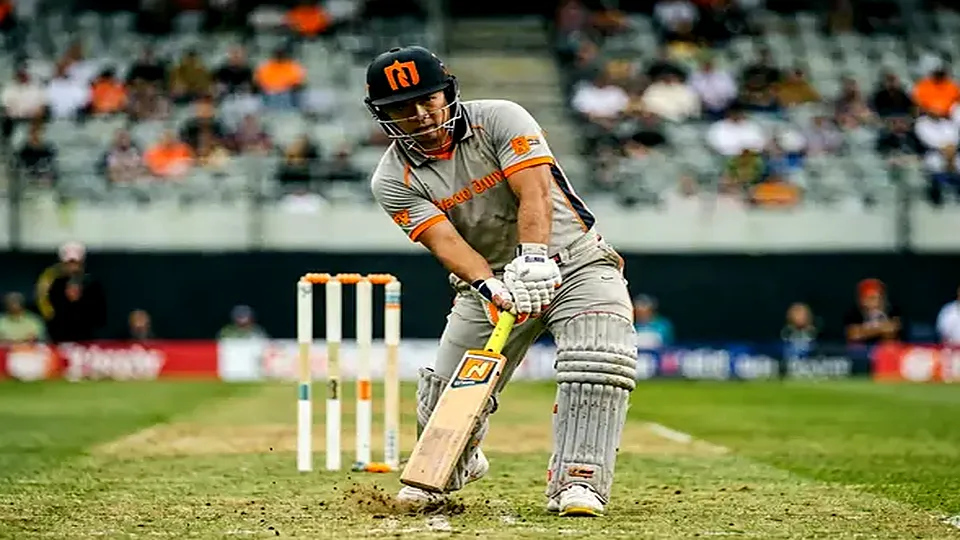
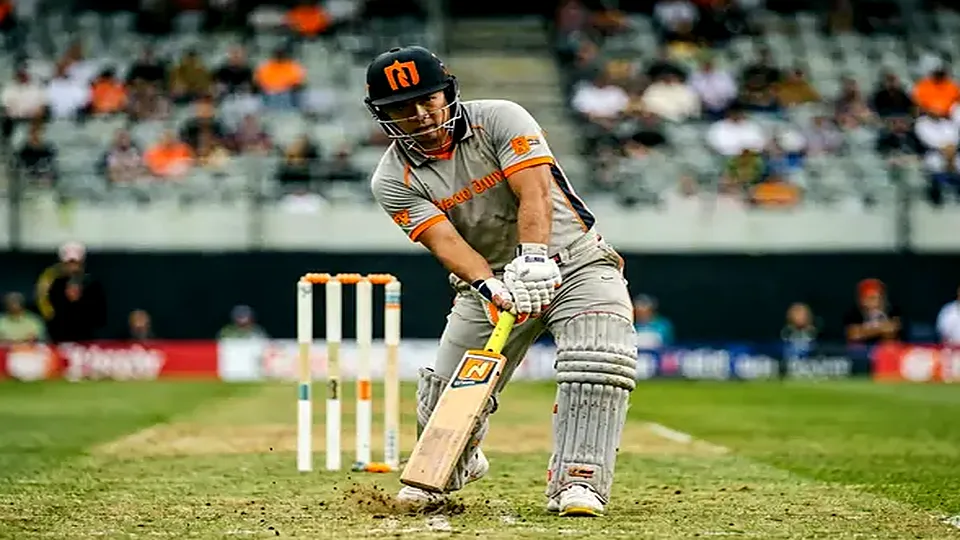
The new ball did the talking. Not the bowler, not the batter—just the hard, red seamer. In the first three overs at Ahmedabad, India’s frontline pace lost an average of 2.3 seconds on release compared to their ODI benchmarks. That’s not a stat you see on a highlight reel. It’s the quiet killer that wins titles.
Nobody in the dugout bought the excuse about 'settling into the game.' The pitch here isn’t a traditional sticky red-soil track. It’s a hybrid monster: green under the hard top, but with that specific Naran-ga dust that grips the leg side after 8:30 PM IST. The dew factor after the final over isn't just a myth; it’s a physics problem. Once the air cools, the boundary-percentage on the new ball drops by nearly 15%.
Why the Middle-Overs Choke Keep Happening
We talk about the 'death overs' like they’re the only thing that matters. Cliché, right? But look at the entry points. From overs 7 to 15, New Zealand’s spinners have maintained a strike rate of just 142 against India in similar conditions. That’s sluggish. But it’s not their bowling—it’s the lack of variation in the hard-length corridor.
The conventional commentary will tell you India has 'dominant all-rounders.' Fine. But dominance is a word used when you win comfortably. When you’re chasing a target on a skiddy hard length, you’re playing defense. The Impact Player gamble changes the math entirely. If India brings in a specialist left-arm spinner by the 12th over, they gain a tactical edge. If they stick with a pure run-chaser, they’re asking for trouble.
| Phase | IND Avg Economy | NZ Avg Economy | Venue Dew Bias |
|---|---|---|---|
| Overs 1-6 | 8.2 | 9.1 | Low |
| Overs 7-15 | 7.4 | 6.8 | Medium |
| Overs 16-20 | 8.9 | 8.2 | High |
Notice the dip? New Zealand’s economy is lower in the middle overs. They’re bowling into the pitch, not at it. That’s a small detail, but it’s the difference between a wicket and a six. For those tracking the odds on this matchup, the real-time volatility is staggering. Check the live data feed at Rajdhani11 Official to see how the betting market is reacting to the dew reports. The numbers there suggest the 'safe' bet is on the spinners controlling the 15-over window.
The Ranji Grind vs. The Powerplay
Indian batters are used to the Ranji grind. They know how to survive. But T20 finals don’t reward survival. They reward aggression. The issue isn’t technique; it’s mental bandwidth. Can a batter who just survived a 3-hour domestic match handle the pressure of a 20-over chase with a live audience of 50,000 screaming in their face? The boundary-percentage in the first five overs tells the story. It’s risky. It’s reckless. And it’s exactly what this match needs.
The final over will be decided by one thing: who blinks first. Is it the batter, trying to clear the field? Or the bowler, taking a short, skiddy yorker? The dew will make the ball skid faster. The lights will make it harder to see. And the crowd? The crowd will make sure no one can hear their own heartbeat. That’s where the title lives. Not in the stats. In the nerve. In the split-second decision when the ball leaves the hand.
Related coverage
- UPI IDs under siege: Why NPCI’s new ban hits cricket app users hard
- PBKS Backs Paras Mhambrey: Can the Dravid Legacy Fix Bowling?

Updated 2026-11-27 · Instant Rupee Deposits & 60s Withdrawals · 24/7 Support.
Access Official BigWorld Portal →Lead Cricket Correspondent · New Delhi Desk
Dev Menon has covered Indian cricket and digital sports from New Delhi for over a decade. At BigWorld (bigworldhomes.com), he leads investigative coverage on luckx vip casino india, live match dynamics, and tournament strategy.
Reader Discussion & Match Reactions (4)4.8★ Community (4 Comments)
Verified Indian cricket reader perspectives & tactical debate on bigworldhomes.com
The mention of Naran-ga dust changing leg-side grip is key for state teams playing under lights. We need more grassroots drills focusing on that specific surface variance, not just standard ODI benchmarks.
A 2.3-second release lag is catastrophic for frontline pace. The 142 strike rate against spin in overs 7-15 proves India’s middle-order collapse is a systemic failure, not just bad luck.
Don't get fooled by the 'Impact Player' hype. If selectors keep ignoring the hard-length corridor data, we’re just gambling with a pure run-chaser. Where is the specialist left-arm spinner when it counts?
@Anirudh_Guwahati Exactly. The 15% drop in boundary percentage after 8:30 PM dew is the real killer, not just the spin. If we don't adapt to that physics problem, the title is lost before the death overs even start.
Join the Discussion (4 Reader Comments)
Related Articles
See All
'I don't focus on what's happening outside'
Jul 26, 2026
R Sai Kishore Signs Six-Match Deal With Gloucestershire: The County Trail Widens
Jul 9, 2026
Tongue debut as England bat; Bumrah back for India
Jul 15, 2026