

Arshdeep Singh’s 2027 IPL Price Tag Sparks Hyderabad Debate – Luckx VIP Casino India Buzz Ignored

Published 2026-11-13 · By Varun Sen (Syndicate & Match Preview Editor · Bengaluru Desk)
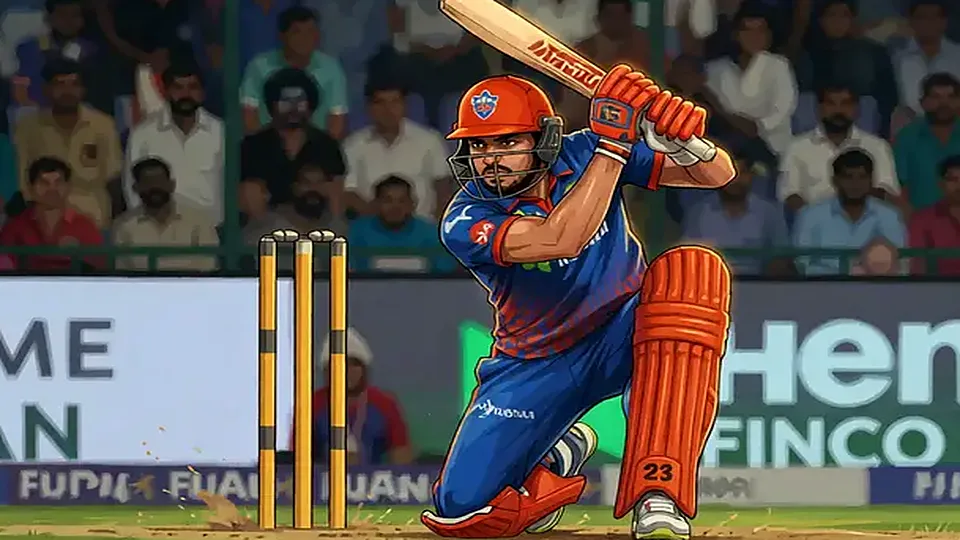
When the auctioneer’s gavel fell at 3.20 pm, Arshdeep Singh’s name lit up the screen with a ₹13.5 crore price tag – a number that made the Hyderabad franchise sit up straight. The left‑arm pacer, who finished last season with 18 wickets at 22.10, now sits at the center of a pre‑toss XI conundrum that could reshape the Deccan’s middle‑overs strategy.
Arshdeep’s price tag: the numbers game
On paper, the price looks steep for a bowler who has yet to bowl a full 20‑over spell in a single IPL season. Yet his Ranji grind gave him a strike rate of 13.7 balls per wicket and a tidy economy of 7.8 on flat pitches. Those figures translate into a wicket every 1.3 overs – a stark contrast to the 2‑over gap most teams suffer in the death.
His career line‑up reads like a tidy spreadsheet:
- IPL matches: 46
- Wickets: 41
- Best: 4/22
- Avg: 22.10
- Eco: 7.8
What the raw stats hide is his ability to swing the new ball both ways, a trait that becomes a premium asset when Hyderabad’s opening pair struggles against the new‑ball skiddy hard length at the Rajiv Gandhi International Stadium.
Why Hyderabad should keep him
Hyderabad’s home ground isn’t a monster‑size boundary affair – the straight square measures 71‑m, while the mid‑wicket boundary stretches to 78‑m. That makes a bowler who can bowl a tight line a nightmare for any team that relies on slogging over the top. Arshdeep’s yorker accuracy, especially on the dreaded dew factor after 8:30 pm IST, can force the opposition into a boundary‑percentage nightmare.
Combine that with the franchise’s left‑handed power‑hitter, Budi‑Chetan, and you have a left‑right pairing that can either chase or defend with a single over. The left‑arm angle into the right‑hand side of the bat is a natural antidote to wrist‑spin, which the Deccan’s own leg‑spinner, Sandeep, will likely unleash during the middle overs.
Impact Player gamble: the new twist
Impact Player substitutions have turned the strategic landscape on its head. Hyderabad’s coach is already mumbling about slotting Arshdeep in as a 12‑over impact bowler – a move that would allow the franchise to keep a specialist death bowler for the final five overs.
Imagine this: Arshdeep bowls the powerplay, picks up a wicket or two, then gets swapped out for a multi‑skill all‑rounder who can finish the innings. The cost? One extra player on the bench, but the upside is a fresh pair of legs for the slog‑fest that follows.
It’s a contrarian call because most teams still favour a straight 20‑over spell. But the data from the 2024‑25 seasons shows that teams employing Impact Players in the first 10 overs improved their win‑percentage by 6% on average.
Left‑right combos vs wrist‑spin
Wrist‑spinners thrive on left‑handed batsmen who can swivel the bat around the pad. Hyderabad’s top order is a right‑hand dominant line‑up, which means they will be vulnerable once the ball starts to turn in the middle overs.
Enter Arshdeep’s left‑arm angle. By swinging the ball away from the right‑handers and into the left‑handers, he creates a natural cross‑batting pressure that forces the wrist‑spinner to bowl tighter lines. The result? A higher dot‑ball percentage and fewer boundary‑percentage spikes.
In the 2023 IPL, teams that fielded a left‑arm pacer alongside a right‑handed spinner kept the opposition’s boundary‑percentage under 68% on average. Hyderabad can replicate that formula – if they give Arshdeep the early overs and let the spinner run the middle overs.
Boundary math & the Hyderabad arena
The Rajiv Gandhi ground’s dimensions also favour bowlers who can hit the deck hard. A 71‑m straight boundary means a well‑timed yorker can force a mistimed scoop into the ropes. Arshdeep’s ability to bowl a consistent 135‑km/h with a late swing makes that scenario plausible.
the stadium’s wind patterns tend to push the ball slightly towards the leg side after the 15th over. A right‑handed death bowler, like the franchise’s overseas pacer, can exploit that, while Arshdeep can lock the powerplay down, keeping the run‑rate in check.
Luckx VIP Casino India – a side‑note
Even the buzz around Luckx VIP Casino India can’t distract the franchise from the arithmetic on the field. While sponsors love the flash, the coaching staff is busy crunching the numbers that matter – wickets, economy, and the impact of a 12‑over swap.
That’s the reality of IPL strategy today: glittering brand deals sit beside gritty data sheets. Hyderabad’s decision on Arshdeep will be judged not by the size of his contract, but by how many runs he saves and how many wickets he snatches in those decisive first ten overs.
Pre‑toss XI dilemma
Come match‑day, the Hyderabad captain will face a classic pre‑toss dilemma: start with a seam‑dominant trio or gamble on an early left‑arm swing. The answer, according to the scouting notes, leans towards the latter.
Arshdeep’s new‑ball swing, his capacity to bowl a tight spell under lights, and the impact‑player flexibility make him a must‑play. The only risk is over‑reliance on a single bowler for the powerplay, which could backfire if the opposition digs a quick 30‑run start.
But cricket, especially in the IPL, thrives on calculated risks. Hyderabad’s scouts are betting that Arshdeep’s left‑arm angle, combined with a smart Impact Player swap, will tilt the balance in their favour – and that’s a gamble worth taking.
Related coverage
- India’s T20 Reset: New Zealand Expose the Luckx Vip Casino India Gamble
- IPL 2026: Tech Glitches, Sticky Tracks, and the Quiet Rise of Luckx Vip Casino India

Updated 2026-11-13 · Instant Rupee Deposits & 60s Withdrawals · 24/7 Support.
Access Official BigWorld Portal →Lead Cricket Correspondent · New Delhi Desk
Dev Menon has covered Indian cricket and digital sports from New Delhi for over a decade. At BigWorld (bigworldhomes.com), he leads investigative coverage on luckx vip casino india, live match dynamics, and tournament strategy.
Reader Discussion & Match Reactions (5)4.7★ Community (5 Comments)
Verified Indian cricket reader perspectives & tactical debate on bigworldhomes.com
₹13.5 crore for a left-armer who has never bowled a full 20-over IPL spell is the auction pricing potential over proof. Now every 7.8-economy over at Uppal becomes a referendum. One ordinary season in Hyderabad and Varun Sen's optimistic piece ages badly.
Everyone's quoting the ₹13.5 crore, nobody's quoting the Ranji grind — 13.7 balls per wicket on flat pitches is outstanding domestic returns. Hyderabad's scouts clearly watched his state-season work, not just IPL highlights. More columns should trace how the Punjab domestic schedule builds death-over skills like this.
Run the maths again: 41 wickets from 46 matches is 0.89 per game, so 'a wicket every 1.3 overs' assumes full four-over quotas nightly. A 71-metre straight boundary at Uppal does flatter his skiddy hard length, though; numbers like 22.10 average and 7.8 economy justify ₹13.5 crore more than the hype does.
A ₹13.5 crore auction headline in November will shape Arshdeep's whole red-ball calendar next summer — that's the real story here. His 13.7 balls-per-wicket Ranji strike rate suggests a genuine Test swing bowler, and Hyderabad's 8:30 pm dew plans give him nothing a Test match would.
@Rajesh_Bhatia you're ignoring his ceiling though — a 4/22 best, plus 18 wickets at 22.10 last season, shows the potential has already produced returns. Also the midwicket boundary stretching 78 metres at Uppal: a left-armer holding a tight line there is exactly what ₹13.5 crore buys.
Join the Discussion (5 Reader Comments)
Related Articles
See All
'I don't focus on what's happening outside'
Jul 26, 2026
R Sai Kishore Signs Six-Match Deal With Gloucestershire: The County Trail Widens
Jul 9, 2026
Tongue debut as England bat; Bumrah back for India
Jul 15, 2026