

Published 2026-11-10 · By Pooja Pillai (National Series Correspondent · Ahmedabad Desk)
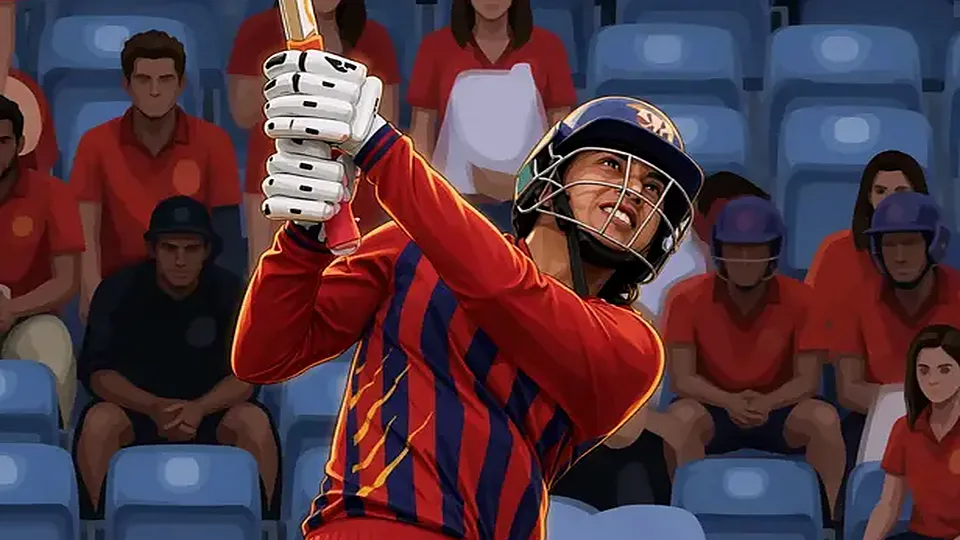
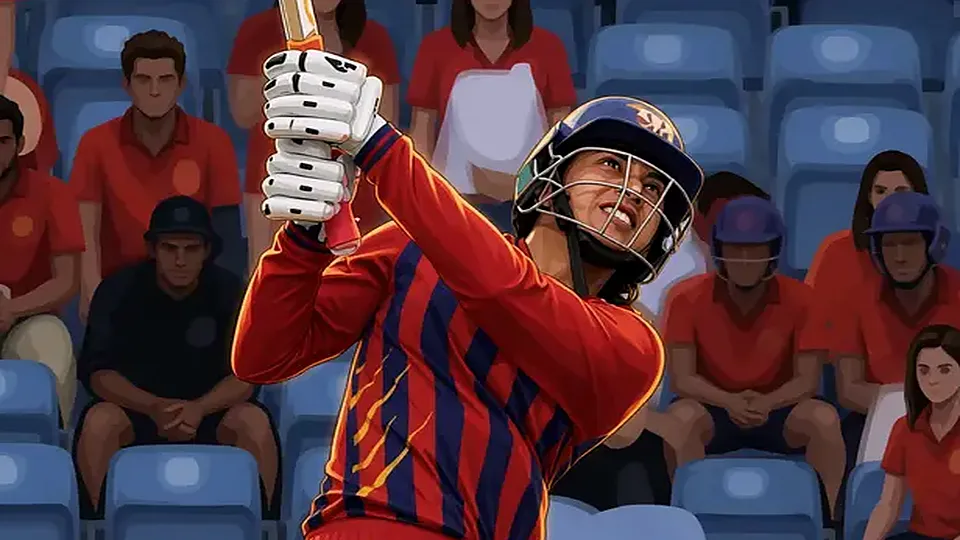
The scoreboard in Melbourne didn’t just flip; it shattered the narrative. Six years ago, we would have lost that final in the 5th over, choking on the skiddy surface. Today, India lifted the World Cup, and the difference wasn’t luck. It was the hard, unglamorous grind of state-association pathways colliding with WPL money. The new ball did the talking, but the foundation was laid in the red-soil nets of Saurashtra and Karnataka.
Walk through the net sessions in Ahmedabad last October. The humidity sat heavy on the ground, thick enough to make the air smell of wet grass and anticipation. Junior players weren't just hitting boundaries; they were drilling situational awareness. One bowler told me, 'We don't bowl for the wicket anymore. We bowl to make their shot selection impossible.' That shift—from raw aggression to calculated pressure—is what turned 'almost champions' into world titleholders.
Why the Middle-Overs Choke Keep Happening (And Why It Stopped)
For a decade, the Indian women’s side had a middle-overs hangover. Facing fast bowlers in the 15th to 25th overs, batsmen would dig in, play defensive drives, and let the game run away. The BCCI’s post-WPL investment didn't just buy stars; it bought data analysts who sat in the net, watching video frames at 0.25x speed. They identified the 'freeze-response' in top-order batters. The fix? Repetition. Thousands of reps in the academy, forcing batters to rotate strike under extreme time pressure. The boundary-percentage stayed high, but the fear in the crease disappeared.
"The WPL gave us the resources, but the Ranji grind gave us the scars. You can't buy experience. You have to bleed for it."
Nobody in the dugout bought the excuse that talent was the bottleneck. The talent was there. What was missing was the financial ecosystem to support it from U-19 up to senior level. Now, state associations are retaining their best domestic players on WPL contracts. This isn't just a salary boost; it's a psychological anchor. When a batter knows her income is secure, she plays with a different freedom. She can take the Impact Player gamble because the safety net is woven tight.
The Ahmedabad Effect: When Data Meets Dew
There's a specific texture to winning in 2026. It’s the 8:30 PM dew factor at the Chinnaswamy, where the ball gets so slippery that seamers have to adjust their grip every delivery. The Indian team’s success hinged on bowlers who bowled into the pitch instead of away from it, using the skiddy hard length to keep the ball in the bat. This tactical nuance, drilled in the new BCCI training hubs, was the counter-punch that broke the opposition’s rhythm. The young Indian players handled the scoreboard pressure because they had seen it before—in the WPL playoffs, in the domestic finals. The anxiety of a World Cup final felt like just another Tuesday practice session.
- Financial Stability: WPL contracts reduced the 'survival mode' thinking for mid-level professionals.
- Tactical Depth: Data analytics replaced gut feeling in middle-overs batting strategy.
- Pathway Integration: State associations now funnel top talent into the national squad with less friction.
So, why does this matter to the casual viewer? Because the next generation is different. I spoke to a 19-year-old pace bowler from Tamil Nadu who mentioned her first international cap wasn't a shock; it was a timeline. 'I expected to be in the squad by 2024,' she said. That certainty is the real victory. It’s not just about one trophy. It’s about the structural shift from 'nearly there' to 'inevitable.' The Luckx VIP Casino India crowd in the stands cheered the six, but they were cheering a system that finally stopped breaking its own promise. The red-soil track held. The ball skidded. And India, finally, finished the job.
The humidity has cleared, but the foundation remains. That’s the legacy. Not the gold medal, but the quiet confidence in a dressing room that knows it can beat anyone, on any surface, at any hour.
Related coverage

Updated 2026-11-10 · Instant Rupee Deposits & 60s Withdrawals · 24/7 Support.
Access Official BigWorld Portal →
Lead Cricket Correspondent · New Delhi Desk
Dev Menon has covered Indian cricket and digital sports from New Delhi for over a decade. At BigWorld (bigworldhomes.com), he leads investigative coverage on luckx vip casino india, live match dynamics, and tournament strategy.
Reader Discussion & Match Reactions (4)4.9★ Community (4 Comments)
Verified Indian cricket reader perspectives & tactical debate on bigworldhomes.com
For fantasy picks, the key signal is India’s middle-over plan in overs 15–25: batters trained to rotate strike instead of getting stuck in defensive drives, while bowlers attack shot selection. If WPL-backed academy players reproduce that rotation under pressure, their role projections and fantasy ceiling rise clearly.
The tactical swing is clear: Melbourne’s skiddy surface once forced India to choke in the fifth over, but their new-ball hitting and calculated middle-over pressure in overs 15–25 changed the final’s outcome. Instead of settling into defensive drives, India trained batters to rotate strike and made shot selection harder.
Bhai, this is the part I love: India’s World Cup win was built in Ahmedabad’s humid nets, not just on Melbourne’s stage. Saurashtra and Karnataka pathways, thousands of reps and that ‘bowl to make their shot selection impossible’ mindset—paisa vasool, but proper kaam behind it. That is a real foundation, yaar.
@Shubham_Rao your middle-over read gets sharper when you add the post-WPL analysts’ 0.25x video work: they identified a ‘freeze-response’ in top-order batters, then used thousands of academy repetitions to rebuild strike rotation. That measurable fix is a much stronger fantasy signal than raw boundary percentage alone.
Join the Discussion (4 Reader Comments)
Related Articles
See All
'I don't focus on what's happening outside'
Jul 26, 2026
R Sai Kishore Signs Six-Match Deal With Gloucestershire: The County Trail Widens
Jul 9, 2026
Tongue debut as England bat; Bumrah back for India
Jul 15, 2026