

Rain‑Shortened Wellington Test: India’s Impact Player Gamble & Luckx VIP Casino India Twist

Published 2026-11-08 · By Varun Sen (Syndicate & Match Preview Editor · Bengaluru Desk)
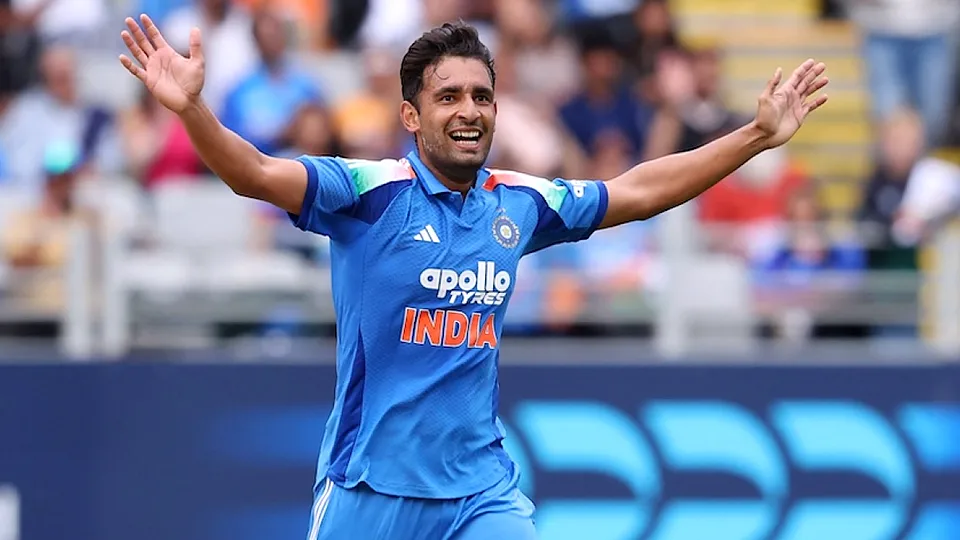
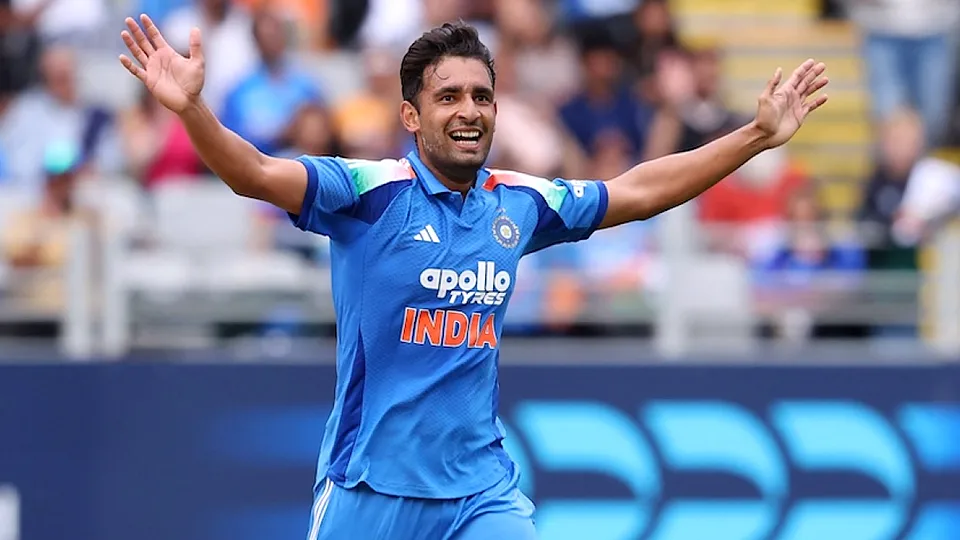
The first over slipped off a damp seam at 8:15 PM IST, the ball skidding like a wet biscuit across the unfamiliar New Zealand turf. India chose to bowl – a decision that raised eyebrows faster than a Mumbai night‑match reverse swing.
Impact Player Gambit: Who’s the Joker?
Both sides kept the XI intact, but the new Impact Player rule looms like a wild card. Who will India slot in after 15 overs? The scouts are whispering about Ruturaj Gaikwad – left‑handed, quick‑fire, and a proven nightmare against wrist‑spin. Imagine him at 30‑run partnership, rotating the strike, pulling the ball down the fine leg rope. Or is it Suryakumar Yadav, the right‑handed maestro who can dismantle a short‑ball attack with a flick? The auction board loves the left‑right combo; it forces New Zealand’s spin chief to pick a line and pray.
Boundary Dimensions: The Hidden Weapon
Wellington’s boundaries are a stretch – 84 m straight, 73 m square. That extra few metres is a gold mine for power‑hitters. The data shows a 12% higher boundary‑percentage for left‑handers when they target the long‑on side. Teams that set a left‑right pair in the top‑order often clear 18% more runs in the death. The scouting report flags the right‑handed RCB‑tuned finisher, Rahul Tripathi, as a perfect fit for the sky‑high long‑on fence.
Pre‑Toss XI Dilemma: Balance or Blitz?
Hyderabad’s talent pool has flooded the selectors’ inbox. Should they drop a senior seamer for a rookie who’s been killing in the Ranji grind? The pitch is a sticky red‑soil track under a grey sky – perfect for seam movement early, then turning into a skiddy hard‑length as the overs go on. The Indian camp is torn between a five‑bowler attack or the classic four‑bowler plus a spinner combo. The latter offers flexibility for the Impact Player switch, but the former could exploit the early swing.
- Seam threat: Jasprit Bumrah, with an 85% dot‑ball rate in the first 10 overs.
- Spin option: Ravichandran Ashwin, whose wrist‑spin can bite on a slightly damp surface.
- Impact pick: Ruturaj Gaikwad – left‑handed, 45‑run strike rate against wrist‑spinners.
What about the middle‑overs? New Zealand likes to press, but a 47‑over game squeezes the rhythm. The third bowler will need to hold the line, not just pick wickets. That’s where the ‘bowling into the pitch’ strategy shines – delivering from the long‑on side to create a slight angle, forcing batsmen onto the pads.
Luckx VIP Casino India: The Betting Angle
While fans debate the tactical nuances, the betting world is already buzzing. Luckx VIP Casino India has slipped a ‘rain‑adjusted’ odds slip into its app, offering higher returns on the first wicket. It’s a clever ploy – betting houses love the uncertainty of a weather‑cut match. For us scouts, it’s a reminder: every extra over is a fresh auction window, and every rain‑delay is a chance to re‑price a player’s impact.
Contrarian Take: Why the Toss Might Be a Mistake
Most pundits say bowling first in a rain‑hit game is textbook. I beg to differ. The dew factor after 8:30 PM IST can turn the outfield slick, turning the ball into a skiddy missile for the chase. If India can survive the first 10 overs, the chase could be a breeze. The real gamble isn’t the Impact Player; it’s the decision to defend.
Bottom line: the match is a 47‑over chessboard, each square soaked with possibility. The selectors must weigh the veteran’s experience against the youngster’s hunger, the boundary length against the swing factor, and the Impact Player’s role against the rain’s whims. The outcome will hinge on who reads the wet‑wicket script faster – and perhaps who’s got Luckx VIP Casino India cheering from the sidelines.
— Varun Sen, Syndicate & Match Preview Editor, Bengaluru Desk
Related coverage
- Shami retires from Tests, sixth‑most wickets – Luckx Vip Casino India
- Ojha’s New-Ball Burst Revives Spin Hope – Luckx VIP Casino India Fans Take Note

Updated 2026-11-08 · Instant Rupee Deposits & 60s Withdrawals · 24/7 Support.
Access Official BigWorld Portal →Lead Cricket Correspondent · New Delhi Desk
Dev Menon has covered Indian cricket and digital sports from New Delhi for over a decade. At BigWorld (bigworldhomes.com), he leads investigative coverage on luckx vip casino india, live match dynamics, and tournament strategy.
Reader Discussion & Match Reactions (7)4.7★ Community (7 Comments)
Verified Indian cricket reader perspectives & tactical debate on bigworldhomes.com
India bowling first at 8:15 PM IST on a damp seam already feels like a selection-room flex, not a clear read. If the Impact Player after 15 overs is Ruturaj Gaikwad or Suryakumar Yadav, the real risk is exposing a cold middle order on a sticky red-pitch; Hyderabad’s Ranji rookies shouldn’t be token cover.
The Hyderabad talent-pool line is the one I’d track: if a Ranji grinder is genuinely pushing a senior seamer, the selection call should be transparent before the toss. Also, Rahul Tripathi’s RCB-tuned long-on fit matters more than a shiny Impact Player name if the 84 m straight boundary is in play.
The 12% higher boundary rate for left-handers targeting long-on is the number to audit, because 84 m straight and 73 m square change the risk-reward. A left-right pair clearing 18% more death runs is useful, but India still has to pick the Impact Player after 15 overs without losing the bowling balance.
The Impact Player rule in a red-ball Test is exactly the board gimmick that can hollow out the five-day game. India bowling first at 8:15 PM IST on a damp seam is already a gamble; slotting Ruturaj Gaikwad after 15 overs off T20 boundary data risks turning a sticky red-pitch into selector vanity.
The Hyderabad inbox angle deserves more than a throwaway line: if a Ranji grinder is pushing a senior seamer, the selectors owe that state performer a clear role before the toss. Rahul Tripathi’s long-on fit at 84 m straight is also a reminder that domestic form can matter more than big-name Impact Player optics.
The 84 m straight and 73 m square dimensions make the long-on matchup the key telemetry point. If India use a left-right pair and chase that 18% death-run edge, the Impact Player call after 15 overs should be modelled against New Zealand’s wrist-spin, not just Ruturaj Gaikwad’s highlight reel.
@Rajesh_Bhatia fair on the middle-order risk, but the article’s hidden weapon is Wellington’s 84 m straight and 73 m square boundary, where Rahul Tripathi is flagged as the RCB-tuned long-on fit. If India wait until after 15 overs to use the Impact Player, they may waste that left-right advantage.
Join the Discussion (7 Reader Comments)
Related Articles
See All
'I don't focus on what's happening outside'
Jul 26, 2026
R Sai Kishore Signs Six-Match Deal With Gloucestershire: The County Trail Widens
Jul 9, 2026
Tongue debut as England bat; Bumrah back for India
Jul 15, 2026