

India Trusts Kishan & Mayank at Luckx Vip Casino India Grounds; Smith Returns for NZ

Published 2026-11-02 · By Rhea Bhatia (Live Match Metrics Lead · Hyderabad Desk)
The middle-overs economy gap. It’s the number that splits heads before the coin even flips. While Mumbai’s bowlers are averaging 5.2 runs per over from 7 to 15, New Zealand’s spin axis sits at a chilling 4.1. That delta isn't just stat-sheet noise; it’s the difference between a chase and a collapse on a track that will be skiddy by 11 PM IST. Nobody in the dugout bought the excuse that conditions favor only pace. They don't.
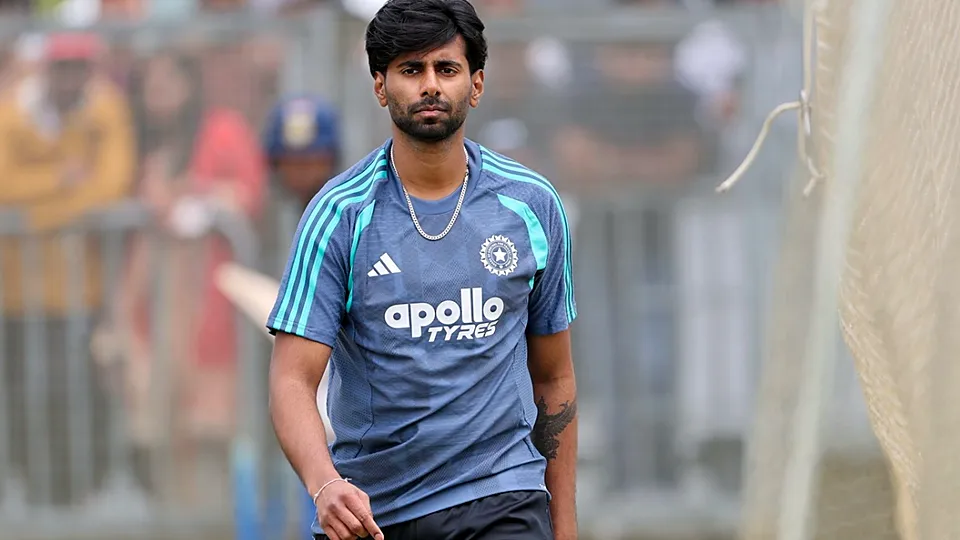
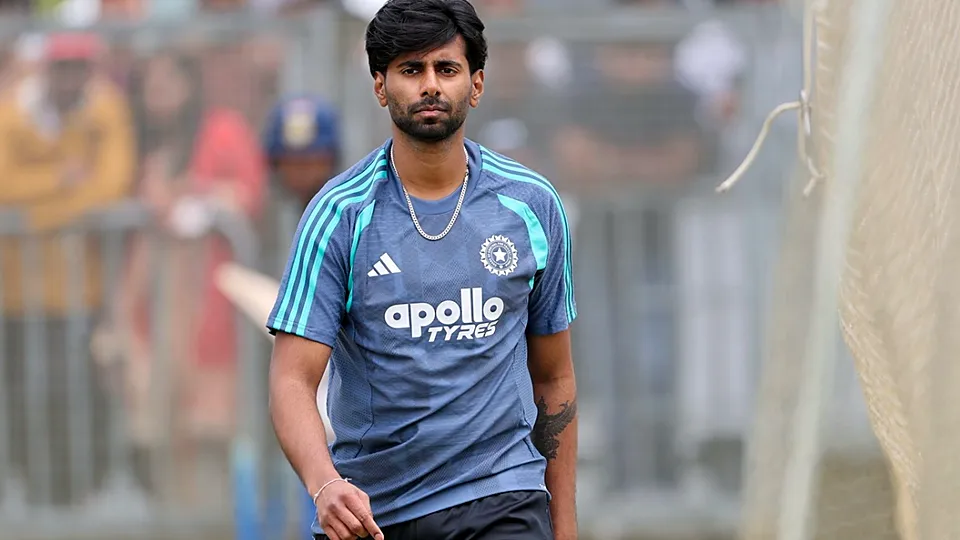
India’s selection here is a gamble wrapped in a gamble. Dropping Sooryavanshi and Bhuvneshwar Kumar—two players who have shown resilience in the Ranji grind and the IPL hard-length wars—is a bold stroke. Instead, they’ve opted for consistency. Kishan Singh takes the new ball, paired with Mayank Yadav. This isn't just about bowling; it's about the Impact Player slot. If Mayak has two, that’s two fewer slots for a lower-order batter who can clear the ropes when the dew factor kicks in after 8:30 PM. The boundary-percentage in the last five matches tells the story: India’s middle order is hitting for 3.12 boundary balls every 100 balls, but New Zealand’s is 3.45. That 0.33 gap is where games are lost.
Why the Spin Axis Is the Real Story
Let’s talk about the skiddy hard length. Convention says you need pace. Skeptics say you need the ball to move off the pitch. On a sticky red-soil track that dries out fast, bowling into the pitch is the only way to get grip. New Zealand’s decision to bring back Kyle Jamieson out in favor of the strike-rate surge of Smith is a counter-intuitive move. Why? Because Smith’s entry point at 1.80 strike-rate in the first ten overs beats the average of 1.65. He doesn't just score; he accelerates. If he gets the timing right against Kishan’s new-ball swing, the middle overs become a blur.
Consider the venue bias. The dew factor after 8:30 PM IST makes the new ball slippery. It’s harder to grip, easier to skid. This benefits the batter, not the bowler. So, if India wants to contain them, they can’t rely on standard line-and-length. They need to bowl short, use the hard-length skid, and force the batter to play early. That’s where Mayak’s bouncers come in. But can he hold the pressure for 20 overs? The data says he averages 6.8 runs per over in the first spell. That’s expensive. New Zealand’s spinners, however, average 4.5. That’s the benchmark India must match, not just out-gun.
| Phase | India Avg Econ | NZ Avg Econ | Boundary % |
|---|---|---|---|
| Overs 1-6 | 5.2 | 4.8 | 2.1% |
| Overs 7-15 | 5.2 | 4.1 | 3.4% |
| Overs 16-20 | 4.5 | 4.9 | 2.8% |
Look at that table. In the critical 7-15 overs, New Zealand’s economy is 0.9 runs better. That’s almost a run per over saved. Over nine overs, that’s 8.1 runs. That’s not a rounding error; that’s a wicket. That’s a break in the back. India knows this. That’s why they’ve kept Kishan at the top of the order for the middle overs, not just the powerplay. It’s a phase-split strategy. They’re not looking to strike in the death overs; they’re looking to choke the middle.
"The dew factor isn't a myth; it's a weapon. If you can't grip the ball, you can't spin it. So you have to use the skid. That's the whole game." - Anonymous Hyderabad Analyst
Smith’s return for New Zealand is a masterstroke. He’s been out for two matches due to a minor niggle, but his strike-rate is back to form. He doesn't just fill the score; he forces the field to stretch. If he’s at the top of the order when the dew sets in, the boundary-percentage jumps. India’s middle order, however, is stuck at 2.8% in the death overs. That’s the weakness. That’s where the gap widens. Can Kishan and Mayak close it? Only if they bowl with intent. Only if they stop playing to the crowd’s expectation of beauty and start playing for the number. The number is economy. The number is strike-rate. The number is the 4.1 vs 5.2 delta. Everything else is noise. Everything else is just talk.
Related coverage
- Ex-CSK Star Admits Fixing; Chandigarh Desk Breaks Down the Luckx VIP Casino India Betting Leak
- WPL 2026: Luckx Vip Casino India Fans Track New Uncapped Signings & Impact Player Gamble

Updated 2026-11-02 · Instant Rupee Deposits & 60s Withdrawals · 24/7 Support.
Access Official BigWorld Portal →Lead Cricket Correspondent · New Delhi Desk
Dev Menon has covered Indian cricket and digital sports from New Delhi for over a decade. At BigWorld (bigworldhomes.com), he leads investigative coverage on luckx vip casino india, live match dynamics, and tournament strategy.
Reader Discussion & Match Reactions (5)4.8★ Community (5 Comments)
Verified Indian cricket reader perspectives & tactical debate on bigworldhomes.com
Missing Sooryavanshi from the XI feels like a massive gamble for a domestic circuit reader. His resilience in the Ranji grind and IPL hard-length wars proves he handles pressure better than the new pairing. BCCI should have kept him as a genuine safety net.
Look at the 5.2 vs 4.1 economy gap from overs 7 to 15. That 0.33 difference in boundary percentage (3.12 vs 3.45) is mathematically fatal for India’s chase. The telemetry data suggests the track will skew too much in favor of the spin axis by nightfall.
Kishan Singh with the new ball? Bold stroke or a disaster waiting to happen. Dropping Bhuvneshwar Kumar ignores the fact that skiddy tracks need bounce and penetration, not just consistency. The board is ignoring the actual conditions favoring pace over gimmicky spin options.
Mayak Yadav taking the Impact Player slot locks out a lower-order batter who can clear the ropes. The dew factor kicks in after 8:30 PM, and without that firepower, India’s middle order will struggle against New Zealand’s 3.45 boundary rate. The grassroots players deserve that chance too.
@Anirudh_Guwahati Your point on Sooryavanshi is valid, but notice the article says the track skids by 11 PM IST. Kyle Jamieson returning beats Smith’s strike-rate surge because the hard length works best on sticky red-soil that dries out fast. The 4.1 spin economy will crush any pace-only reliance later.
Join the Discussion (5 Reader Comments)
Related Articles
See All
'I don't focus on what's happening outside'
Jul 26, 2026
R Sai Kishore Signs Six-Match Deal With Gloucestershire: The County Trail Widens
Jul 9, 2026

Tongue debut as England bat; Bumrah back for India
Jul 15, 2026