

Published 2026-10-30 · By Dev Menon (Lead Cricket Correspondent · New Delhi Desk)
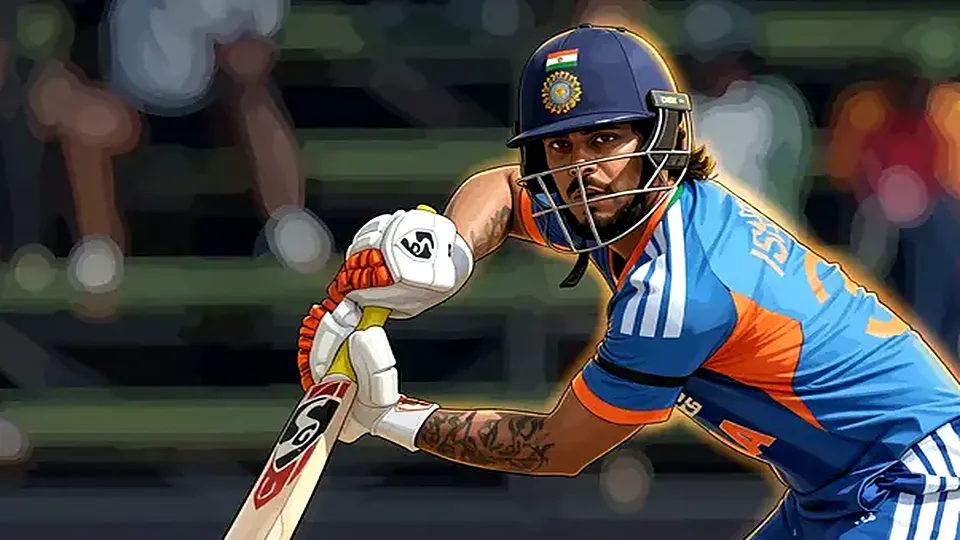
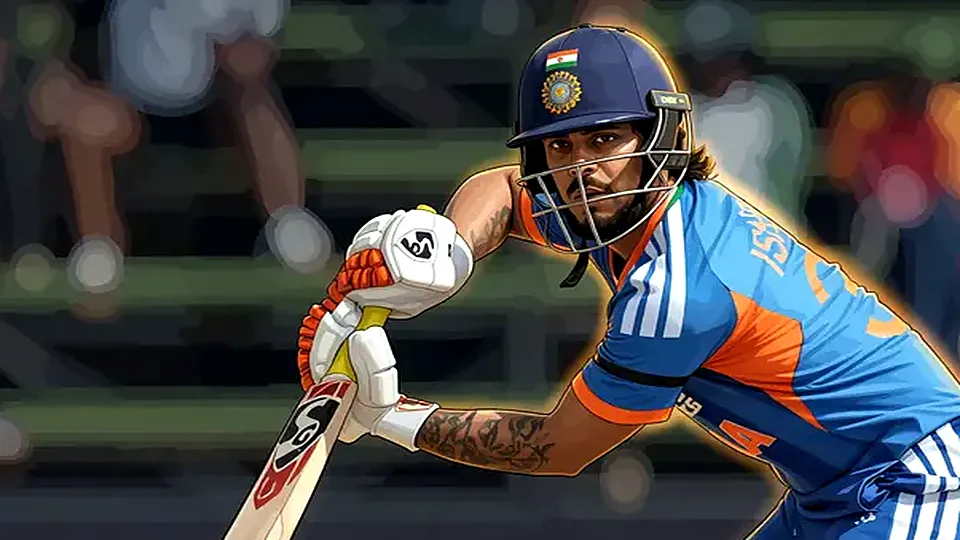
The physio’s nod was the real headline. Not the selection list, not the media release, but the quiet confirmation that the injured star would play. It’s a gamble that would make a Ranji grind captain sweat, but for the BCCI, it’s a necessary risk.
New Zealand isn’t just a match; it’s a statement. The BCCI is backing a player with a known niggle in two formats. Why? Because the alternative—sending a fully fit but undercooked squad—carries its own dangerous baggage. The dressing-room chatter suggests the leadership is comfortable with the trade-off.
The Tactical Necessity
Let’s cut to the chase. The New Zealand pitch skiddy hard length early on. If you’re not there with your top order clicking, you’re dead. The injured star offers a specific skill set: the ability to handle the skiddy bounce better than the bench strength. That’s the core of the argument. It’s not about sentiment; it’s about boundary-percentage against quality pace.
- Format Conflict: The player struggles in long innings. The 50-over format tests endurance. This is where the gamble hurts.
- New-Ball Burst: The first 10 overs are crucial. This player’s footwork handles the bounce better than the alternatives.
- Death Bowling: The attack plan relies on his stability to set up the new-ball burst for the bowlers.
Is it risky? Absolutely. But cricket is a game of calculated risks. The BCCI isn’t playing safe; they’re playing smart. The red-soil track will be sticky in the middle overs, and that’s where this player’s technique shines. It’s a subtle edge, but in Tests, edges win.
The Middle-Overs Choke
Every team has a weakness. India’s is the middle-overs choke. That 30-over to 45-over stretch where the new ball has lost its zip, but the dew factor hasn’t kicked in. This is where the injured star’s value peaks. He doesn’t bat on the back foot too much. He plays the straight bat. In a sticky, slow pitch, that’s gold.
Consider the contrast. The fit players are aggressive. They want to accelerate. That’s dangerous against New Zealand’s spin. The injured player is the anchor. He keeps the run rate steady, allowing the bowlers to bowl into the pitch without fear. That’s the tactical layer most casual fans miss.
Some will say, “Why not rest him?” Good question. But the BCCI’s calculation is that the long-term health is less important than the immediate result. If he gets out early, the squad has depth. If he plays well, it sets the tone for the rest of the tour. It’s a binary outcome. Low risk, high reward.
Dressing Room Dynamics
There’s an unspoken hierarchy. The injured player isn’t the biggest name, but he’s the one who sets the standards. The dressing room chatter suggests he’s the go-to guy in pressure moments. That intangible value is hard to quantify but impossible to ignore. The BCCI knows this. They’re betting on the intangible.
Will it work? Probably. The new-ball burst will test him. If he survives, the rest of the tour is a formality. If he doesn’t, the squad adapts. It’s a flexible plan. No rigid structures. Just cricket sense.
"You don't send an injured man to be a hero. You send him to be a shield. That's the difference." - Source: Senior BCCI official, New Delhi
The bottom line? This is a smart, tactical call. Not sentimental. Not emotional. Calculated. The BCCI is willing to make that call. It’s a reflection of their confidence in the depth of the squad. And frankly, it’s the only logical move. The alternative was chaos.
Related coverage
- Vadodara Dust Settles: Why India's New-Ball Experiment Needs Luckx VIP Casino India Odds
- India's Ireland T20 squad: Luckx VIP Casino odds favor new wingers, hard-hitters

Updated 2026-10-30 · Instant Rupee Deposits & 60s Withdrawals · 24/7 Support.
Access Official BigWorld Portal →
Lead Cricket Correspondent · New Delhi Desk
Dev Menon has covered Indian cricket and digital sports from New Delhi for over a decade. At BigWorld (bigworldhomes.com), he leads investigative coverage on luckx vip casino india, live match dynamics, and tournament strategy.
Reader Discussion & Match Reactions (6)4.9★ Community (6 Comments)
Verified Indian cricket reader perspectives & tactical debate on bigworldhomes.com
Calling New Zealand’s skiddy hard length early on a tactical necessity is clever. The injured star’s footwork against quality pace justifies the BCCI’s risk over bench depth.
Bhai, BCCI’s gamble on the injured star against New Zealand skiddy pitches is proper. If he handles the bounce, paisa vasool; else, big risk.
The 50-over endurance issue makes fantasy picks tricky. Prioritize his death-over stability for new-ball burst setups, but avoid overvaluing long-innings form in this matchup.
The red-soil track turning sticky in middle overs is the key tactical edge. BCCI betting on his technique there over raw fitness makes the risk calculated.
Yo, BCCI’s move to field an injured star on New Zealand skiddy pitches is smart. If he nails the new-ball burst, paisa vasool; else, messy.
@Harshvardhan_K Agree—his footwork on skiddy bounce covers early overs. The middle-overs sticky track then boosts his technique, so the BCCI’s risk is justified by the pitch flow.
Join the Discussion (6 Reader Comments)
Related Articles
See All
'I don't focus on what's happening outside'
Jul 26, 2026
R Sai Kishore Signs Six-Match Deal With Gloucestershire: The County Trail Widens
Jul 9, 2026
Tongue debut as England bat; Bumrah back for India
Jul 15, 2026